
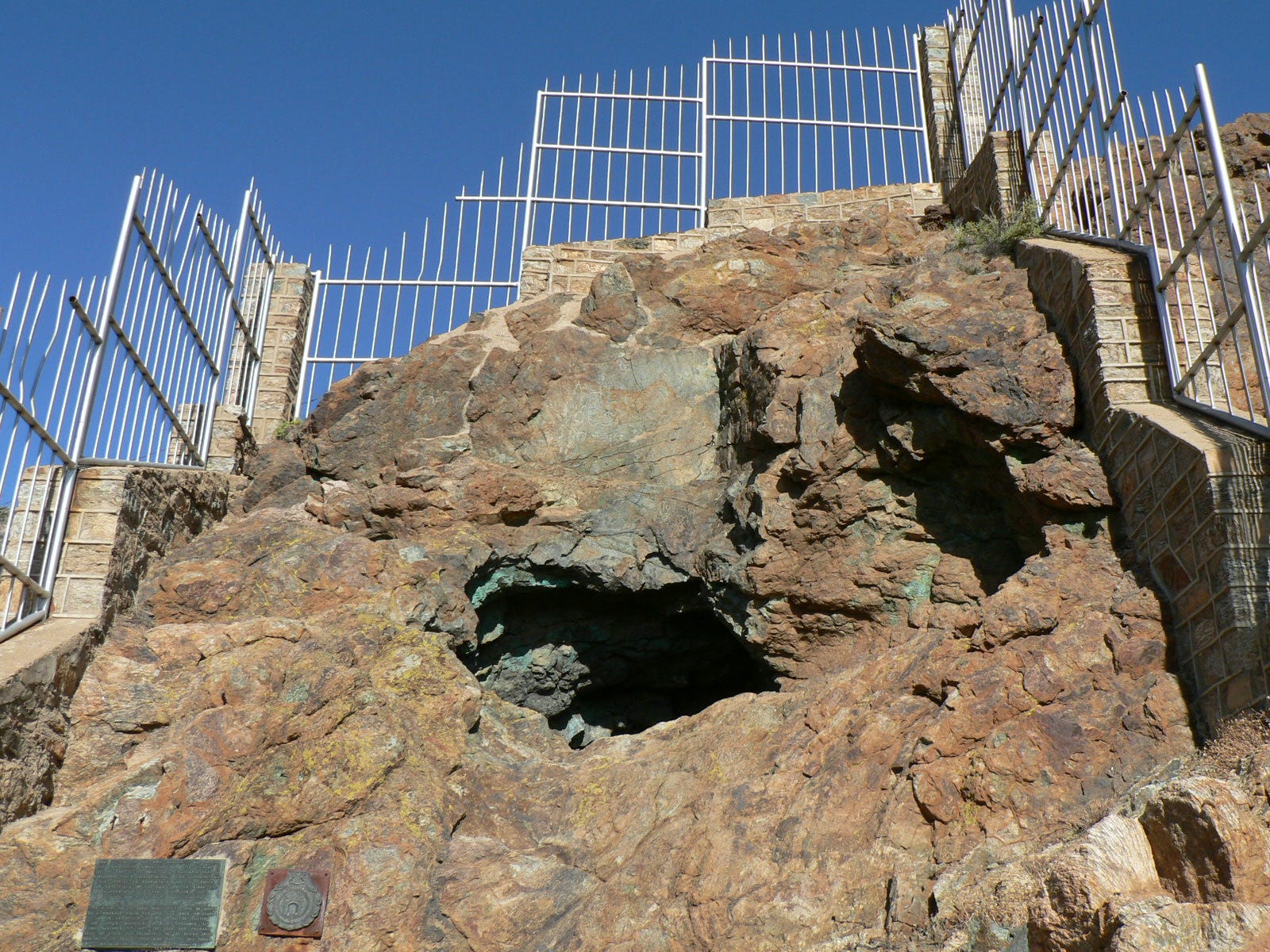
In modern South African mining, copper came first.
Communities at Phalaborwa, Musina and the Dwarsberg smelted copper for centuries. The ore was known but stranded by distance and cost. Only with scale, foreign capital and export infrastructure did it move. Terms were set before the first shipment left.
Springbok’s story. Modern transport options took 200 years to reach the richest copper at Okiep. A district that died three times, each closure costing a generation’s livelihood. Newmont’s stewardship brought stability for over 4 decades. Now, as with earlier revivals, Orion and Copper 360 are back. Ore remains. Markets shift. Capital returns.
Prieska’s story echoes Springbok’s. Old patterns. New beginnings. Anglovaal’s 31 million tonnes were left as the cycle turned. On 9 February 2026, Orion secured US$250 million from Glencore. Prieska was not exhausted, just overtaken by a cycle that has now turned again.
Palabora too was known for centuries. Rio Tinto, Newmont and Anglo American brought it to scale. Open pit. Block cave. Expansion under HBIS and the IDC. Twice reinvented, its legacy is roads, rail, power, skills and the Palabora Foundation.
The test is not what is taken, but what remains.
Messina stands in contrast. Just to the south, the Musina clan mined copper for centuries. In 1903 a colonial prospector claimed their knowledge and misspelled the town’s name. Decades of low wages and crushed labour followed. Mining ended in the 1990s, leaving almost 90 hectares of unrehabilitated tailings and an unresolved land claim. Palabora’s legacy includes enduring infrastructure and community investment. Messina’s does not.
Even where dedicated mines fall silent, copper persists, now as a by-product of platinum and nickel across the Bushveld, and of zinc at Aggeneys. The metal never quite leaves the stage.
The main lesson copper taught us is simple. Pay attention to what gets built, what gets left, and who benefits.
Beyond these mines, new chapters may unfold. Around Prieska, the Areachap Belt is an under‑explored copper‑zinc corridor. In the Eastern Cape, the Ntsizwa Complex is untested. South Africa’s copper story is not yet fully told.
Copper now sits at the centre of the critical minerals contest. It is central to electrification, the energy transition and geopolitical competition. As the cycle turns again, copper may yet teach us something new. Enduring value for our people and our nation means closing this arc with a different narrative.
Thank you to all who shared this copper journey with me. These small green shoots I am seeing make closing this chapter feel more like a beginning.
I plan to return to copper stories to the north of South Africa later this year.
Next week, a train trip, and then PGMs.
This story is also on LinkedIn, published on 24 Mar 2026.