
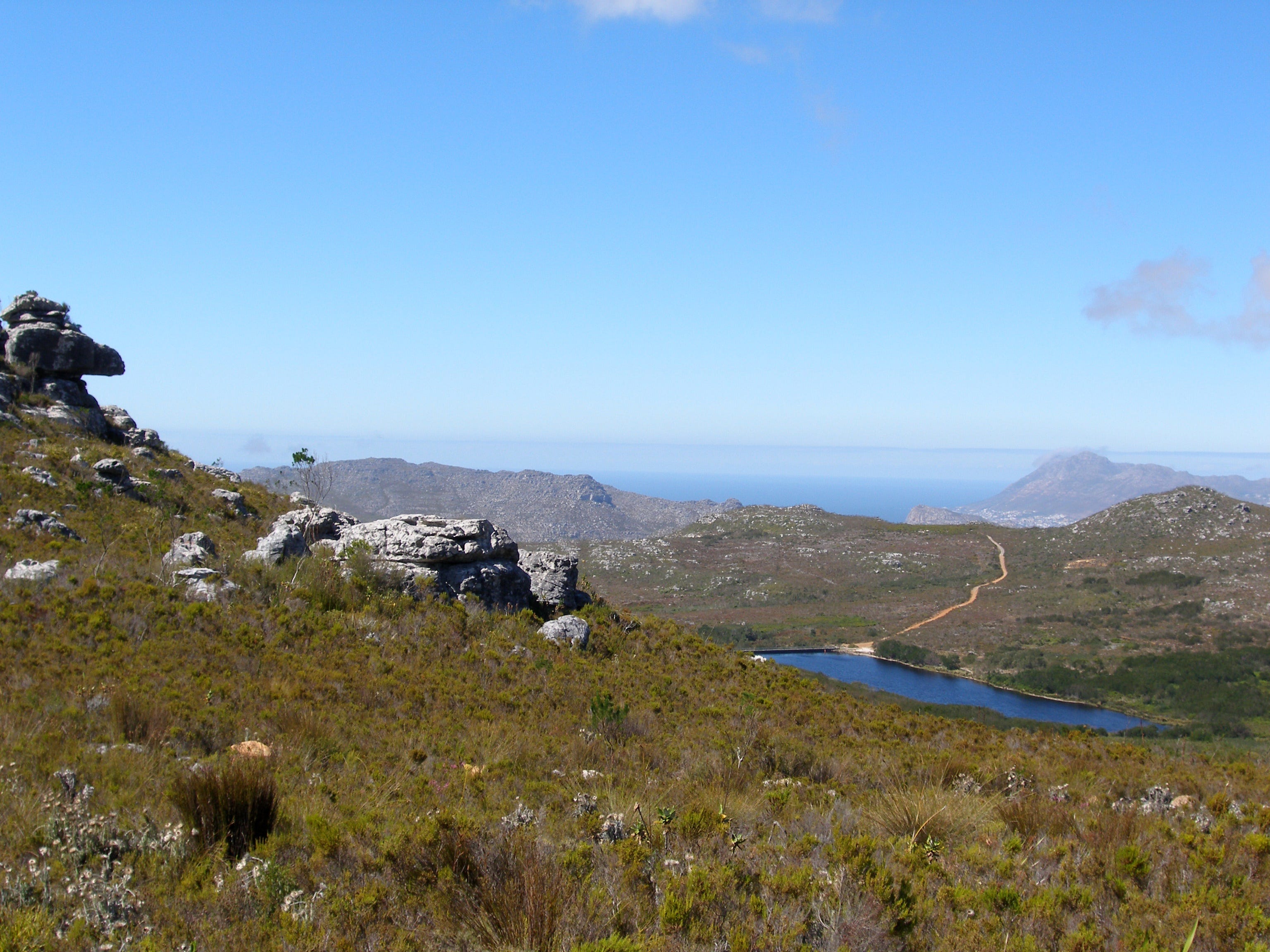
This is Silvermine Nature Reserve in Cape Town. Before we turn north toward the great mineral belts that shape Southern Africa’s endowment, we must make three stops, beginning at Silvermine — where the Cape’s mining story first takes shape. Silvermine is where colonial mineral ambition first hardened into corporate form, under the direction of what was an early diversified global conglomerate: the Dutch East India Company (VOC).
The world’s first permanent joint-stock trading company, the VOC was more than a trading house. It controlled the Dutch colonial empire, including the Cape. Its wealth came from a spread of assets: spices, shipping infrastructure, fortified ports, monopolies, and the conquest and control of people. At the centre of that model sat precious metals and the labour of enslaved people. Gold and silver drove the Company’s Asian trade, and coerced labour underpinned its operations. Despite seizing key Portuguese forts on the West African Gold Coast, the VOC was never able to secure a reliable bullion supply.
By the late 1600s profit margins were tightening and the Company was chronically short of bullion. The instruction sent to Cape Governor Simon van der Stel was blunt: find minerals that could justify the expense of holding this corner of Africa.
The first attempt was serious. In 1685 an expedition, including the VOC’s chief mining engineer, pushed north into Namaqualand. They sank test shafts and took samples. They found copper, but low grades, distance and the lack of water or a harbour made mining uneconomic.
Attention then shifted back to the Cape. Three shafts were driven into the mountains at Silvermine in 1687–1688. Here evidence thinned and hope thickened. Bands of dark manganese in the sandstone were mistaken for silver-bearing ore — similar manganese ore was later mined at Hout Bay. A “good news” corporate culture tried to outrun geology. Van der Stel’s ventures were the work of a company man under pressure, in a world mapped with rumours of Monomotapa’s riches. His mines were follies, not scams. There was no silver; there never was.
History demands we honour mining’s people. I hold in mind the stolen and enslaved men forced to drive shafts. I hold in mind the indigenous communities of the Cape and Namaqualand, whose knowledge and mining traditions were taken and folded into somebody else’s balance sheet. Their histories run through these stories.
What remains are empty holes, cut into rock that never carried the wealth the VOC sought. They are monuments to anxiety as much as ambition, and to the early logic of colonial extraction: expand the footprint, secure the trade routes, conquer the people and hope the earth cooperates.
This story is also on LinkedIn, published on 5 Dec 2025.