
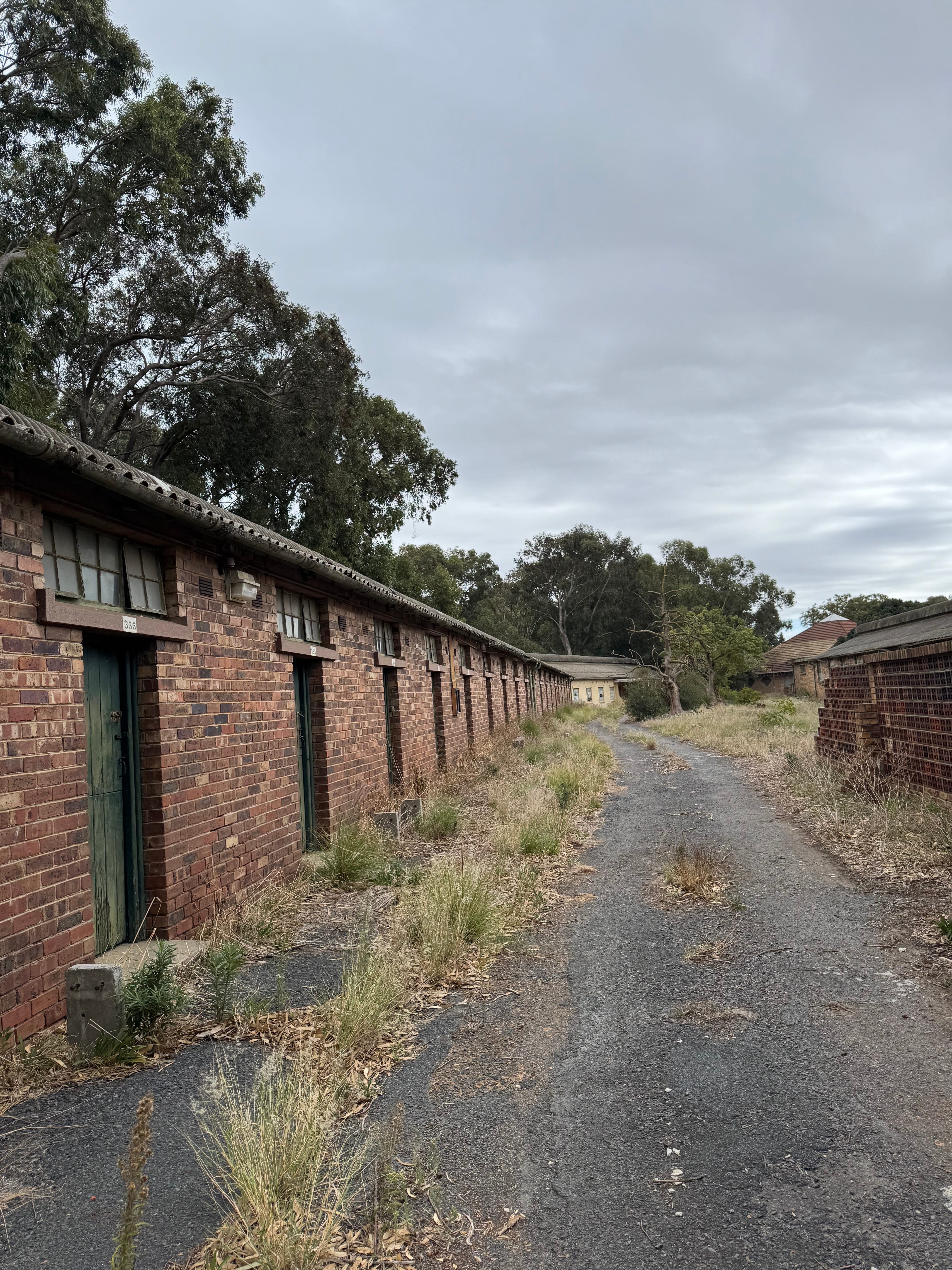
This is Paardevlei, near the Strand — a key site in the industrial supply chain that enabled mining across Southern Africa. For generations, explosives were manufactured here, linking this place to the region’s mining economy.
In 1898, the Cape Explosives Works built a dynamite factory on the edge of town. Production began in 1903. By 1907, this single site ranked among the world’s largest producers of commercial explosives. Its output fed mines across Southern Africa and placed Paardevlei inside the global mining economy that followed the discoveries of diamonds and gold.
By 1910, nearly 1,000 people worked here. Some lived in men’s-only compounds on site. Others lived nearby. Many were migrant workers, drawn from communities far beyond here by the same rail networks that moved ore, equipment, and explosives across the subcontinent. Their labour sat at the most hazardous end of the industrial supply chain, mixing nitroglycerine and handling detonators.
Danger was a background condition. When the ground shuddered, silence fell. From some silences, men did not return — to homes nearby, or to families waiting far from here. In newspapers, it appeared as statistics. In workers’ homes, it became permanence.
Paardevlei was not unique within the industrial supply chain. It was one of countless intertwined mining, manufacturing, and logistics sites at the core of the regional economy. What matters is the system and its systemic impact.
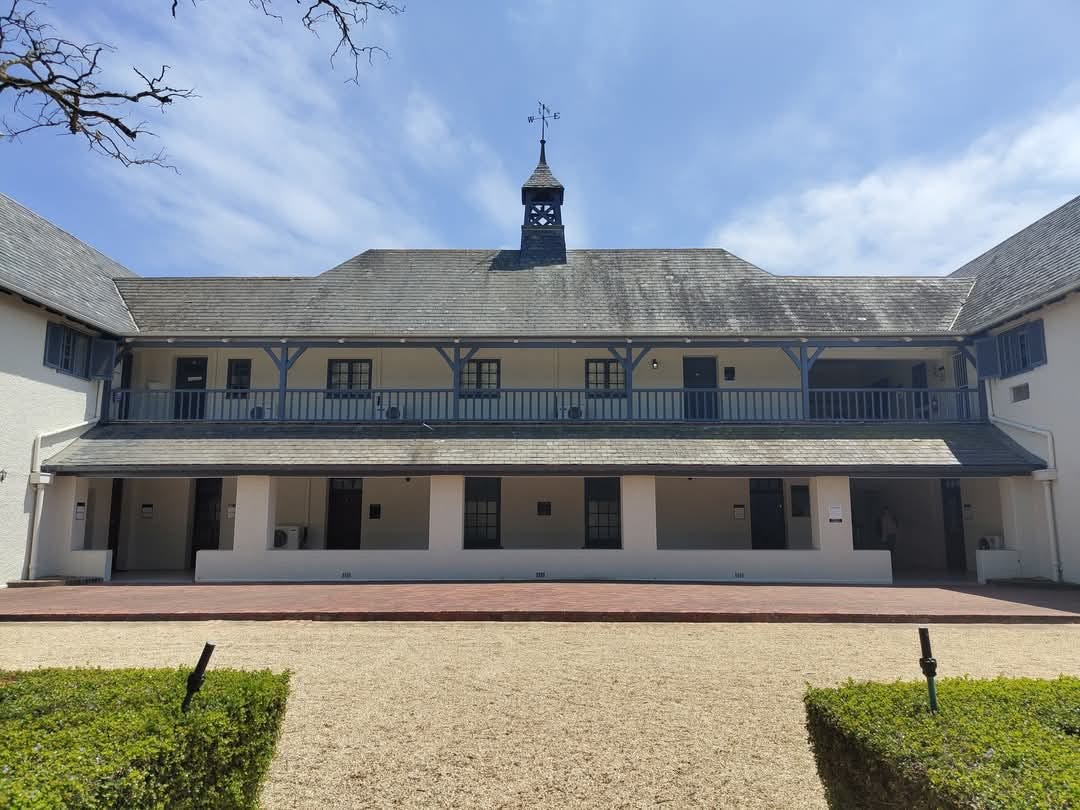
Today, almost nothing remains. The factory closed in 1996 and the site is now a mixed use business and residential estate. The past sits beneath the tarmac. Yet some things endure. The old hostels, protected by heritage law, still stand. The administration building, designed by Herbert Baker and Masey, remains. The blast grounds are paved over. But the labour, danger, and restless energy remain embedded in the vast mining industry this place once enabled.
The post-apartheid period marked a decisive structural break. The Mine Health and Safety Act (1996), together with sustained tripartite collaboration between industry, government, and organised labour, reshaped safety governance and accountability. The Mining Charter ended the single-sex hostel system that had defined twentieth-century migrant labour. South African mining now operates within regulatory and operational frameworks comparable to international jurisdictions.
I honour the factory workers who mixed and handled volatile materials where danger was routine, and some lost their lives.
I acknowledge the chemists, engineers, and decision-makers who built the industrial force that drove a mining economy across the subcontinent.
The factory is gone. The memory of endeavour, labour, danger, resilience, and loss remains. Far from the mines this place supplied, yet bound to them.
This story is also on LinkedIn, published on 6 Jan 2026.